By Kevin Doherty · Last reviewed: April 2026 · About the author
Almost every craniosacral practitioner I work with has been through the same cycle with Instagram at least once.
Download the app. Read three articles about how to “grow.” Try to film a Reel of yourself explaining your work in fifteen seconds. Hate the result. Post anyway. Watch it get eleven views. Try a trending audio. Feel worse about it than before. Post sporadically for four weeks. Stop. Delete the app. Feel vaguely guilty about it for the next six months. Reinstall. Repeat.
The cycle is so common I could write it in my sleep. And every round of it, the practitioner walks away with the same private conclusion: maybe I’m just not cut out for this.
You’re not. Not for that version of it. The cycle isn’t a personal failure — it’s a platform mismatch. Trying to market craniosacral work through the dominant Instagram aesthetic is like trying to describe a still point in a dance video. The medium isn’t the message; it’s actively working against the message. No amount of trying harder will close that gap.
This article is about the other version. The slower, text-first, clinical-depth approach that works extraordinarily well for CST — once you stop trying to compete in a game you were never built for. (If the deeper pattern of resistance feels familiar, The Practitioner’s Dilemma names it more fully.)
The Two Traps
Most craniosacral practitioners on social media fall into one of two failure modes, and most of us have been in both.
Trap 1: Imitating the wellness-influencer aesthetic. Soft focus photos of hands on a client’s head. Trending audio. Quote graphics over sunset backgrounds. Reels with captions like “the nervous system is where healing lives ✨.” It’s the default template because it’s what every other wellness account is doing, and it feels like the safest way to post. It also produces content that is completely indistinguishable from a thousand other accounts — which means it doesn’t position you as anything. The wellness-coach-with-a-weekend-certification account looks exactly like the twenty-year master practitioner account. In a visual-first feed, you disappear.
Trap 2: Abstaining entirely and calling it integrity. This is the trap the most deeply trained CST practitioners fall into. Social media feels cheap, performative, antithetical to the work. You don’t post. You rationalize the absence as integrity. Meanwhile, the weekend-certified bodyworkers on Instagram are quietly building a client base from your prospective patients, because they’re willing to be visible in a format you’ve refused. Your purity is real. It is also actively costing people the work they need.
The third path avoids both traps. It uses social media — deliberately, on one platform, in a register that actually fits the work — without imitating an aesthetic that was never built for somatic depth.
The Third Path: Slow Social, Text-First
The CST practitioners I’ve watched build social presences that meaningfully feed their calendar are all doing some version of the same thing. It’s not about reels. It’s not about aesthetic. It’s about a specific kind of writing that happens to live on social platforms.
The core moves:
- Long-form captions as the substance. The image is a frame, not the message. A single thoughtful caption — 300 to 800 words, written from clinical observation — will outperform ten glossy low-caption posts in the kind of audience it attracts.
- Carousels over reels. Multi-panel posts that walk through a clinical observation, a case pattern, or an educational sequence fit CST content far better than fast-cut video. Readers move through them at the pace of reading, which is closer to the pace of the work itself.
- Voice, when you use video. Voice-overs on still images, or unhurried pieces to camera, not lip-syncs or dance-cut Reels. The voice is where the practitioner’s presence actually lives.
- Stories for the relational layer. Instagram Stories are the part of the platform that still works for depth. Use them for short daily observations, behind-the-treatment-room reflections, questions you’re sitting with — the texture that wouldn’t fit in a feed post.
- No participation in trend cycles. The trending-audio, trending-format, trending-aesthetic treadmill is where practitioners burn out fastest. Opt out of it from the start. It isn’t where your audience lives anyway.
This approach is slower. It grows the account more gradually. It also produces an audience that is dramatically more likely to actually book sessions, because they’ve been reading your clinical voice for weeks or months before they ever click through.
What to Post: Five Formats That Actually Convert
Across the CST practices I’ve watched build real followings, the same small set of post formats keeps showing up. Not because of algorithm tricks — because these are the kinds of posts that prospective clients actually respond to.
1. Composite clinical observations
The single highest-converting format. Write about a pattern you see often, without referring to any specific client. “A pattern I see often: someone who’s had concussions comes in with symptoms no imaging can explain. Their body feels like it’s been holding its breath for two years. Here’s what I notice about how this presents, and what usually changes in the first few sessions.” That post format, written from clinical depth, does more for conversion than anything else on the platform. It’s the same approach the content marketing spoke covers — composite case writing, scaled down to caption length.
2. The specific internal moment
Name the exact internal experience your ideal client is living inside. “When rest feels unsafe.” “The hyperarousal that comes after the crisis has passed.” “When your body won’t calm down and you don’t know why and nothing your doctor has suggested has changed it.” These posts mirror something the reader has been trying to articulate. They save and share at much higher rates than anything else, because the reader wants to come back to them and wants other people to see them.
3. Edge cases and clinical reasoning
“Who I don’t treat.” “When I refer out instead.” “What I watch for in a first session.” “Why some presentations aren’t a good fit for CST.” Posts that reveal the practitioner’s clinical judgment — including the limits of the work — build more trust in one caption than a thousand words of generic benefits content. They signal that there’s a specific person with specific expertise behind the account.
4. Long-form repurposing
The articles on your site are your best social content, broken up. A 2,500-word blog post on post-concussion symptoms becomes ten separate captions, each pulling a specific observation out as a standalone post. This is how social and your site actually work together — your writing lives in one durable place, and social surfaces it into the feed in small pieces. Without the long-form foundation, social content thins out fast.
5. Behind the work
Not the selfie-in-scrubs version. The reflective version. “What a hard session feels like from the practitioner’s side.” “Why I work slower than most bodyworkers.” “What I’ve changed about my intake in the last year.” These posts build the relationship between the practitioner and the follower. They are what makes someone who’s been following for three months finally book a session — they feel like they already know you.
Platform Choices
Depth on one platform outperforms presence on three. Choose deliberately.
The best default for most CST practitioners. Long captions are welcomed by the algorithm and the audience. Carousels get substantially better reach than single images. Stories provide the relational layer. Voice-over Reels exist for when you want to reach a wider audience with a specific clinical observation. The platform rewards text-first thinking if you commit to it.
Less useful than it was, but still meaningful in specific contexts. Local community groups (chronic pain, migraine, post-concussion, pregnancy, parent communities) are often the highest-yield discovery surface on Facebook for CST — joining the ones that are active in your region and participating thoughtfully, over time, builds a steady flow of direct inquiries. Don’t post ads in these groups. Answer questions people ask, genuinely and with depth, and let discovery happen through presence rather than promotion.
Worth considering specifically if your referral network is professional — pelvic floor PTs, psychotherapists, somatic practitioners, trauma-informed physicians. LinkedIn’s format rewards the same long-form, clinically-grounded writing that works on Instagram, and the audience there is built for peer-to-peer professional relationships. This connects directly to the referrals spoke.
YouTube / long-form video
Worth it only if you enjoy the medium. A single well-made ten-minute video explaining “what actually happens in a craniosacral session” or “CST for post-concussion syndrome” can rank on YouTube for years and produce steady inquiries. But the production overhead is real, and most practitioners who start YouTube channels quit within four months. If you’d enjoy making it, it’s high-leverage. If you wouldn’t, don’t.
TikTok
Probably not. The platform’s pace and register work against CST content. The exceptions exist but are rare.
Cadence and Sustainability
Two to three posts per week on the primary platform, sustained over months. That’s the realistic cadence. Most practitioners who aim for daily burn out within eight weeks and post nothing for the rest of the year. Two posts a week for a year produces 100+ posts — a meaningful body of work. Daily posting for six weeks produces 40 posts followed by a silent account. The steady rhythm wins.
Protect the cadence with systems. Write four to six posts in a single session once every two weeks. Schedule them. Stop treating each post as a separate creative event. The energy you save by batching is what lets the practice sustain for a year instead of quitting in three months.
Social as Amplifier, Not Generator
The mistake most practitioners make about social media is expecting it to function as a primary lead generator. It almost never does.
What social actually does, when it’s working, is serve as the long-horizon trust layer. Someone follows the account. Reads captions for three months. Occasionally reacts. Eventually clicks through to the site, reads a condition page, thinks yes — this is exactly what I’ve been looking for, and books.
The booking originates on the site. The relationship was built on social. Both layers are necessary; neither works as well alone.
This is why social works as the third pillar rather than the first. Content and local SEO carry the primary lead flow. Social amplifies — reaches people who aren’t actively searching yet, holds attention across weeks and months, warms them for when the need becomes acute. And patient acquisition converts the traffic all three pillars produce.
The AI Question
Social media content is less visible to AI tools than website content — ChatGPT and Perplexity typically can’t read individual Instagram posts the same way they read web pages. But there’s a secondary effect worth understanding.
Social activity generates brand queries — searches for your name or your practice. Those brand queries, over time, contribute to the authority signal that makes AI tools more likely to cite you when someone asks a related question. The practitioner who has 1,200 Instagram followers and a small but real body of branded search activity becomes more citable by AI tools over time than the practitioner with no presence at all.
So social isn’t directly about AI citation, but it feeds the broader authority layer that the AI Discovery Framework is built around. The two work together, indirectly but reliably.
The Anti-Patterns
A quick list of the moves that consistently damage CST social presence:
- Before/after photos. Almost always inappropriate for somatic work; often violates platform policy for health content; sets the wrong frame for what CST is.
- Imitating the wellness-influencer voice. Sacred-geometry overlays, “your body’s innate wisdom” one-liners, soft-focus retreat photos. This aesthetic doesn’t help. It dilutes.
- Posting about craniosacral “as a treatment.” Frame the posts around the client’s experience, not the modality’s mechanism. Same principle as the content marketing spoke.
- Inconsistent posting followed by apologetic “I’m back!” posts. Nobody cares. Just start posting again.
- Responding to every DM as if it were a free consult. Redirect to booking. You are not running an unpaid hotline.
- Bought followers or engagement pods. Detectable, penalized, and the followers don’t book anyway.
- Taking platform metrics personally. Follower count is vanity. What matters is what percentage of followers book sessions, and that number can be strong even on small accounts.
The Permission
One last thing worth saying clearly.
You have full permission to opt out of the social-media-as-performance version of the game. The dance-cut Reels, the trending audio, the twice-daily posting, the follower-count chase — none of that is required to build a thriving craniosacral practice. Practitioners who opt out cleanly and invest that energy in content and referrals are doing fine. Better than fine, often.
What you don’t have permission for is the middle version — the sporadic, guilty, half-posting that neither produces results nor frees the energy for other pillars. Pick one: a deliberate, slow social presence you can sustain, or no social presence at all. Both are legitimate. The drift between them is what burns practitioners out.
Frequently Asked Questions
Do craniosacral therapists actually need to be on social media?
No. Social media is not a requirement for a successful CST practice — plenty of thriving craniosacral practices run on content, local SEO, and referrals without posting anywhere. What you do need is a deliberate decision either way. Practitioners who drift into sporadic, guilty, half-hearted posting burn energy without return. Practitioners who opt out cleanly and put that energy elsewhere do fine. Practitioners who find a CST-appropriate rhythm on one platform often get meaningful lead flow from it. The one position that doesn’t work is the middle — being on social media without a working approach.
What platform is best for craniosacral therapists?
Instagram, for most practitioners, for specific reasons: the platform supports long captions (which is where the CST-appropriate writing lives), carousel posts (for multi-panel clinical or educational content), voice-over Reels (which fit the slower pace of the work far better than dance-cut video), and Stories (which serve better than any other platform for building relational depth with followers). Facebook remains useful in some markets, especially where there are active local wellness or chronic-condition community groups. LinkedIn works for practitioners whose referral network is largely professional (pelvic floor PTs, psychotherapists, somatic practitioners). Avoid trying to run three platforms at once — depth on one outperforms presence on three.
Should craniosacral therapists post Reels?
Selectively, and not as the primary format. Reels with trending audio, fast cuts, and dance-aesthetic energy are the opposite of what craniosacral work is about — posting them is often corrosive both to the practitioner’s sense of integrity and to the signal being sent to prospective clients. Voice-over Reels at a slower pace, shot in the treatment room, narrating a specific clinical observation, can work and can reach more people than a static post. But Reels should never carry the social strategy. They amplify the foundation; they don’t replace it.
How often should a craniosacral therapist post on social media?
Two to three substantive posts per week on the primary platform, sustained over months. Below that cadence the algorithm deprioritizes the account. Above that cadence most practitioners burn out within eight weeks. Daily posting is unnecessary and usually counterproductive for CST — the post quality falls, the voice gets thinner, and the practitioner starts to resent the platform. Sustainable rhythm beats intensity.
How do I post about client sessions without violating HIPAA?
You don’t post about specific client sessions. You post composite observations — patterns you’ve seen across many clients, written in language that cannot be traced to a specific person. Strip ages, professions, locations, identifying circumstances. Frame posts as “a pattern I see often” or “the kind of presentation I’ve worked with many times” rather than “a client I saw this week.” Done this way, case-informed content is legally safe and clinically rich.
Why does every craniosacral Instagram I see feel generic or mystical?
Because the default template is broken. Most CST practitioners who try Instagram reach for the available visual aesthetic — soft lighting, nature imagery, sacred-geometry overlays, inspirational quotes about healing — and produce something indistinguishable from every other wellness account. The way out is not a better aesthetic. The way out is writing from clinical depth in the captions, treating the image as the frame and the writing as the substance. That shift alone separates a CST account from the wellness-influencer crowd it was accidentally blending into.
Does social media actually drive new craniosacral clients?
It does, but usually as an amplifier rather than a primary generator. The new-client flow that originates on social typically looks like this: someone follows the account for months, reads captions, occasionally reacts, eventually searches the practitioner’s website, reads a condition page, and books. The social presence builds the trust and familiarity; the site closes. Practitioners who expect a Reel to drive direct bookings are usually disappointed. Practitioners who understand social as the long-horizon trust-building layer tend to see steady conversion through it.
Social media doesn’t have to betray the work. The CST practices actually converting followers into booked clients aren’t chasing reels or trending audio — they’re running a quieter, text-first, clinically-grounded system that plays to the depth of the training instead of against it.
The AI Discovery Framework is the free foundation — the citation-layer architecture that makes all of this work together. The Patient Discovery System is the shorter-path done-with-you build. The Practice Operating System installs the full Craniosacral Therapy Practice Growth architecture — content, local SEO, social, patient acquisition, referrals — end to end.
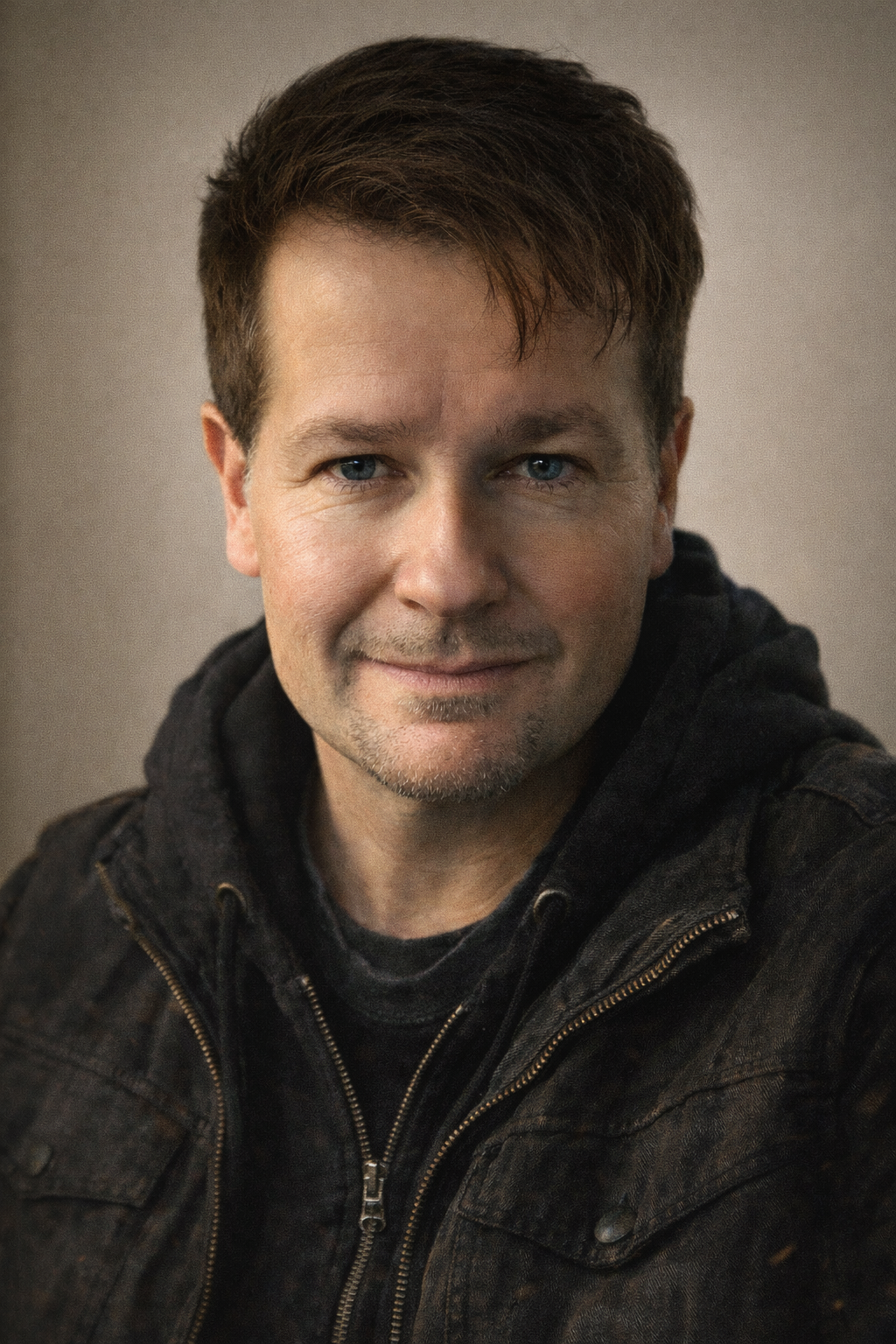
Kevin Doherty is the founder of Modern Practice Method and the author of Build Your Dream Practice, The Instant Upgrade, and The Purpose Principle. A licensed acupuncturist with over 20 years of clinical and marketing experience in the holistic health space, Kevin helps independent practitioners build visible, sustainable, cash-based practices. His work sits at the intersection of positioning strategy, content systems, and the emerging world of AI-driven search.