By Kevin Doherty · Last reviewed: April 2026 · About the author
Here is a pattern I’ve watched play out with practitioners across nearly every modality, and it’s especially true for craniosacral: the practitioners who assume their referral network is working fine are usually the ones with the weakest one.
The assumption is easy to make. You’ve got a handful of clients who mention they were sent by someone. A chiropractor across town sent you a few patients three years ago. A therapist who used to refer occasionally still mentions your name sometimes. There’s a feeling of the work attracts who it attracts, and for a certain kind of practitioner — especially the deeply trained, quietly competent CST practitioner who came up through Upledger or BCTA/NA — that feeling gets mistaken for a functioning referral system.
It’s not. It’s the ambient background of a market where other people occasionally think of you. An actual referral system is something different: a deliberate, cultivated set of five to ten relationships that produce steady, predictable, high-intent new-client flow month over month. Almost no CST practitioner has one. Most of the practitioners who finally build one say the same thing: “I had no idea how much this was holding back my practice until I fixed it.”
Referrals are the most counterintuitive pillar in the Craniosacral Therapy Practice Growth system — the one that feels least like marketing and produces the highest-quality clients in the whole pipeline. This article is about building the system properly, from scratch, without any of the “ask for referrals” awkwardness that makes most practitioners shut down the conversation before it starts.
Why Referrals Are the Highest-Quality Lead for CST
Before the how, the why — because the math on referral-sourced clients is so favorable that practitioners who understand it rearrange their whole practice around it.
A client who arrives through a professional referral shows up with three qualities that SEO-sourced or social-sourced clients often lack:
They already trust you. The referring practitioner vouched for you. That transferred trust collapses half the first-session friction before the session begins. You do not have to establish credibility in the intake; it was established before they walked in.
They have higher intent. Someone referred by a trusted practitioner for a specific reason has already decided to try the work. They are not comparison-shopping. They are not calling around to five practitioners. They are showing up to do the work.
They complete the arc at higher rates. First-session rebooking rates on professionally-referred clients run substantially higher than on clients who found you through any other channel, and three-month retention runs higher still. The referral filter has already selected for fit.
Practically, this means a single steady referring practitioner — the pelvic floor PT down the street who sends two clients a month, every month, for three years — can outproduce a full content marketing system in terms of both revenue and client quality. Professional referrals are the densest form of lead flow available to a CST practice.
And they’re the pillar most CST practitioners under-invest in, because they confuse having occasional referrals with having a referral system.
The Two Streams
A working CST referral system has two distinct streams, and they operate by completely different dynamics.
Stream 1: Professional referrals. Practitioners who send clients to you — psychotherapists, pelvic floor PTs, osteopaths, lactation consultants, functional medicine doctors, aligned chiropractors. This stream produces the highest-quality clients and the most reliable volume when cultivated properly.
Stream 2: Client referrals. Existing clients who refer friends, family, coworkers, or members of their community. This stream produces good-quality clients but is lower-volume and harder to systematize without compromising the practitioner-client relationship.
Both matter. Neither alone is enough. Most of this article focuses on the professional stream, because that’s where most practices have the largest untapped upside, but the client-referral section near the end is real and worth running deliberately.
Who to Build Professional Referral Relationships With
Not every healthcare practitioner in your market is a realistic referral partner for CST. The targets are specific.
Tier 1 — Highest-yield referral partners
- Trauma-informed psychotherapists (especially somatic, IFS, EMDR, and polyvagal-oriented clinicians). Their clients regularly hit a plateau where talk therapy alone isn’t reaching the body. CST is exactly what those plateaus need. These are often the single highest-yield referral relationships a CST practitioner can build.
- Pelvic floor physical therapists. Many of their clients have nervous system and fascial patterns that PT alone can’t fully resolve. Pelvic floor PTs who trust CST refer consistently and their referrals complete arcs.
- Osteopathic physicians (DOs), particularly those with cranial or functional training. Lineage overlap makes the conceptual handoff natural, and DOs often have patients who want deeper cranial work than their schedule allows.
- Trauma-informed primary care physicians and integrative medicine doctors. These providers see the patients no one else can figure out — chronic pain, post-concussion, unexplained nervous system symptoms — and they are actively looking for modalities to refer to.
Tier 2 — Strong situational partners
- Lactation consultants and IBCLCs (if you do infant CST — enormous untapped referral volume)
- Speech-language pathologists working with pediatric populations
- Pediatricians open to CST for infants (tongue-tie post-release, reflux, unsettled infants)
- Functional neurologists (concussion recovery)
- Dentists and orthodontists (TMJ, post-surgical)
- Midwives (pregnancy, birth preparation, postpartum)
- Aligned chiropractors (neurological focus, gentle practice style)
- Acupuncturists and other aligned manual therapists
Tier 3 — Complementary but lower-yield
- Yoga teachers (occasional but real)
- Massage therapists (usually step-up referrals when they encounter something outside their scope)
- Personal trainers working with chronic injury
- Nutritionists and health coaches
Pick five to ten Tier 1 and Tier 2 practitioners whose work you genuinely respect and whose client base overlaps with the clients you most want to treat. Those are your targets.
How to Actually Build a Referral Relationship
This is the part where almost every CST practitioner gets it wrong, because the default instinct — ask for coffee, describe your work, request referrals — is the worst possible sequence. It feels extractive even when it isn’t meant to be, and it signals that you need something rather than that you have something to offer.
The correct sequence is the reverse. Deliver value first. Let the relationship emerge.
Step 1: Send them a referral before you ask for one
Identify a practitioner whose work you genuinely respect. Find a current or recent client of yours for whom that practitioner would be a strong fit. Refer the client with a short written note: “I’ve been working with [client] for [context]. Based on their presentation, I think your work would be meaningful for them, and I’ve suggested they reach out. Wanted to introduce them to you.”
That referral does three things simultaneously: delivers real value to the practitioner (a qualified new client), models the kind of professional thoughtfulness you expect in return, and opens a relationship without making you look like you want something. It is the single highest-leverage move in professional referral cultivation.
Step 2: Send them content they’d actually use
When you publish a substantive article on a relevant clinical topic — post-concussion work, trauma-informed somatic practice, CST in pregnancy — email it to the referral partner with a brief note: “Wrote something that touches on work I know you see a lot of — thought it might be useful for a patient conversation.”
This is where the content marketing pillar compounds. The condition-specific pages on your site aren’t just for SEO — they’re the language and rationale referring practitioners use to describe your work to their patients. When a pelvic floor PT can point a client to a page that specifically addresses chronic pelvic pain and CST, the referral conversion jumps substantially.
Step 3: After a year or more of value delivery, invite a conversation
Once you’ve sent referrals, shared content, and demonstrated consistent professionalism for a meaningful stretch, a coffee or lunch meeting lands completely differently. It reads as two aligned practitioners strengthening an existing professional relationship, not as a cold ask for help.
The conversation itself should be 70% about their work and 30% about yours. Ask what their current referral gaps are — which patient presentations they’d love a better referral option for. Listen carefully; that answer is a map of how you can serve their practice, which is how you end up in their rotation when they need a CST referral.
Step 4: Close every loop
The single most underused move in CST referral dynamics is the loop-close. After a referred client completes their first or second session, send the referring practitioner a short, HIPAA-appropriate update: “Wanted to close the loop — I’ve seen [client, with consent] twice and the work is going well. Thank you for the trust.”
If the client gave explicit consent, a brief clinical observation can be included. Without the loop-close, even strong referral relationships go quiet — the referring practitioner has no way to know their referral was handled well, and they stop sending without ever consciously deciding to. With consistent loop-closing, the same relationship compounds into a reliable referral source.
This is not optional. It is the mechanism that separates a referral network that works from one that sputters.
Client Referrals Done Right
Client referrals are the lower-volume but higher-intimacy stream. Handled well, they feel natural on both sides. Handled poorly, they damage the therapeutic relationship.
Two principles keep this stream clean:
Ask rarely, and only at the right moment. Once, around session four or five when the client has clearly experienced meaningful change. Not repeatedly. Not as a standing request. One time, when the arc is clear.
Frame the ask as service, not sales. The script that works: “If this work has made a real difference for you, the best compliment you can give me is telling one person who might need it. Not a blanket mention — just one specific person you can think of who’s been dealing with something similar.”
That framing works for three reasons. It asks for a small, concrete, doable action (one person, not “tell your friends”). It frames the request as helping someone else find the work, not as helping you build your business. And it respects the client’s autonomy — they can answer without feeling pressured either way.
Some practices also use simple referral cards — a small postcard with the practitioner’s name, website, and a brief CST description — that clients can hand to someone. These work surprisingly well for CST because the modality is hard to describe in conversation. A card gives the referring client something concrete to pass along.
The same logic that governs review requests in the local SEO spoke governs referral asks. Both are about framing, timing, and respect for the client’s position.
Directory Listings — The Passive Infrastructure
Online directories are not a referral strategy. They are baseline infrastructure that should be set up and then mostly ignored.
The listings worth completing:
- IAHP (International Association of Healthcare Practitioners) — the Upledger-aligned directory
- BCTA/NA (Biodynamic Craniosacral Therapy Association of North America) — for RCST-certified practitioners
- Gillespie Approach practitioner directory — for CFT-trained practitioners
- Lineage-specific directories for whatever training modalities you’ve completed
- Relevant specialty directories — Psychology Today (if you hold a mental health license), Healthgrades (if licensed appropriately)
Complete profiles in the directories relevant to your training. Keep them current. Do not build your referral strategy around them — they generate some passive inquiries but are not the backbone of a working referral system. The backbone is the five to ten cultivated relationships.
The Reciprocity Principle
Referral relationships are bidirectional or they die.
A practitioner who only receives referrals without sending any in return produces quiet resentment in their referring partners. The partners stop sending without consciously deciding to. The relationship atrophies.
A practitioner who actively refers clients out — to pelvic floor PTs, therapists, functional medicine doctors, acupuncturists — builds reciprocity that makes the whole network durable. Even when your specific clients don’t need other practitioners every week, the referral-out flow should be active whenever it’s clinically appropriate. This is also simply good clinical care; CST is one modality among many that a given client might benefit from, and the practitioners who refer generously tend to have better long-term client outcomes.
The practical test: if every referring partner sends you two clients a year, are you sending two clients back to each of them? If not, the reciprocity is out of balance. Rebalance it and the whole network strengthens.
Common Referral Mistakes in CST Practice
- Assuming the referral system is working because occasional referrals arrive. Occasional ≠ systematic.
- Starting with the coffee ask instead of the value-first referral. Reads as extractive; depresses conversion.
- Not closing the loop after a referral. The single most common failure; turns warm relationships cold within a year.
- Building shallow contact with many practitioners instead of depth with five to ten. Spreads the effort too thin; produces no reliable flow.
- Asking clients for referrals repeatedly. Damages the therapeutic relationship; decreases willingness to refer.
- Not refreshing the content that referring practitioners point their patients to. Outdated site content makes referrals less effective.
- One-way referral flow. Practitioners who only receive, never send, lose the relationship within eighteen months.
- Relying on directories instead of cultivated relationships. Passive listings are baseline, not strategy.
How Referrals Fit the Full System
Referrals are the highest-quality lead source and the slowest to build. That shape means they pair with the other four pillars in specific ways.
While your referral network is in its first twelve to eighteen months of cultivation, content marketing and local SEO carry the practice — generating the lead flow while the referral system compounds in the background. Your social media presence, particularly on LinkedIn if you’re targeting professional peers, supports the referral relationships by keeping you visible to your network between direct touches. And your patient acquisition system determines what percentage of referred clients — who arrive pre-qualified and high-intent — actually become long-term relationships. Weak acquisition can squander even the strongest referrals.
The five pillars are a system. This is the final one. Together, they produce the kind of visible, sustainable, cash-based craniosacral practice that matches the depth of your training. (And if the resistance to building any part of this system has felt particularly sharp while reading, that resistance is named directly in The Practitioner’s Dilemma — the identity work that has to happen underneath the strategy work.)
Frequently Asked Questions
Who are the best referral partners for a craniosacral therapist?
The highest-yield referral partners for most CST practices are: trauma-informed psychotherapists (especially somatic, IFS, and EMDR practitioners), pelvic floor physical therapists, osteopathic physicians (DOs — especially those who share CST lineage), trauma-informed primary care physicians, lactation consultants and bodyworkers who see tongue-tied infants, functional medicine doctors, and in some markets, chiropractors with a neurological or functional focus. The specific mix depends on which conditions you most want to treat; if you specialize in post-concussion work, neurologists and functional neurology providers matter more, and if you work with infants, pediatricians and speech-language pathologists become primary. Depth on five to ten relationships beats shallow contact with fifty.
How do I actually approach another practitioner about building a referral relationship?
Start by sending a patient their way, not asking for one. Identify a practitioner whose work you genuinely respect, find a current or recent client of yours for whom that practitioner would be a strong fit, and refer the client with a short note introducing the practitioner and why. That referral opens a professional relationship without making you look like you want something. Most CST practitioners skip this step and begin with a “can we get coffee” ask, which feels extractive. The reverse order — deliver value first, let the relationship develop — converts to reliable bidirectional referrals far more consistently.
Should I ask my craniosacral clients for referrals?
Yes, but rarely, and with specific framing. Ask once, at the right moment — usually around the fourth or fifth session when the client has clearly experienced meaningful change and is in a natural position to want to share the work. Use a script like: “If this work has made a real difference for you, the best compliment you can give me is telling one person who might need it. Not a blanket mention — just one specific person you can think of.” That framing works because it asks for a small, concrete action, frames the ask as service rather than sales, and is not repeated session after session.
What’s the right way to close the loop after a referral comes in?
After a referred client’s first or second session, send the referring practitioner a short, HIPAA-appropriate update: “Wanted to close the loop — I’ve seen [client name, with their consent] twice and the work is going well. Thank you for the trust.” If the client gave explicit consent, a brief clinical observation can go in the note. This loop-close is the single most underused move in CST referral dynamics. It signals professionalism, confirms to the referring practitioner that their referral was handled well, and makes the next referral far more likely. Without it, even strong relationships go quiet.
How many referral partners does a craniosacral practice need?
Five to ten active relationships is the functional range for a sustainable CST practice. Fewer than that and the practice is overexposed to the loss of any single partner. More than fifteen and most practitioners cannot maintain the depth needed to keep any of them truly active. The goal is a small number of relationships where both sides refer consistently, close the loop after each referral, and meet informally once or twice a year. That shape of network produces steady, predictable client flow and compounds over time in ways that shallow contact with fifty people never does.
Are online directories like Upledger’s IAHP or BCTA/NA worth listing in?
Yes — they’re passive, low-effort infrastructure that produces some direct inquiries and also contributes to authority signals for AI tools and search engines trying to decide if a practitioner is legitimate. But directories are not a referral strategy; they are a baseline. A complete profile in IAHP, BCTA/NA, or your relevant lineage directory takes an hour to set up and should be done. The actual referral flow that drives a practice comes from cultivated professional relationships, not from directory listings.
How long does it take to build a working referral network?
Twelve to eighteen months for a referral system to mature into a reliable source of new clients. The first few referrals come faster — often within the first few months if you make value-first outreach to five to ten aligned practitioners. But the compounding effect, where referring practitioners trust the work enough to send difficult cases and frequently, takes a year or more of consistent loop-closing and reciprocal referrals. This is why referrals pair so well with content and local SEO: the other two pillars carry the practice during the period when the referral network is still building.
Referrals are the highest-quality lead source most CST practices are underusing. Five to ten cultivated professional relationships, built on value-first outreach and consistent loop-closing, produce steadier and better-converting client flow than any other channel — and compound year over year in ways no other pillar does.
Start with the AI Discovery Framework (free) for the content foundation that makes your work legible to referring practitioners. The Patient Discovery System is the shorter-path done-with-you AI-citability build. The Practice Operating System is the full done-with-you installation of the complete Craniosacral Therapy Practice Growth architecture — content, local SEO, social, patient acquisition, and the referral system — built for your practice, your lineage, and your ideal clients.
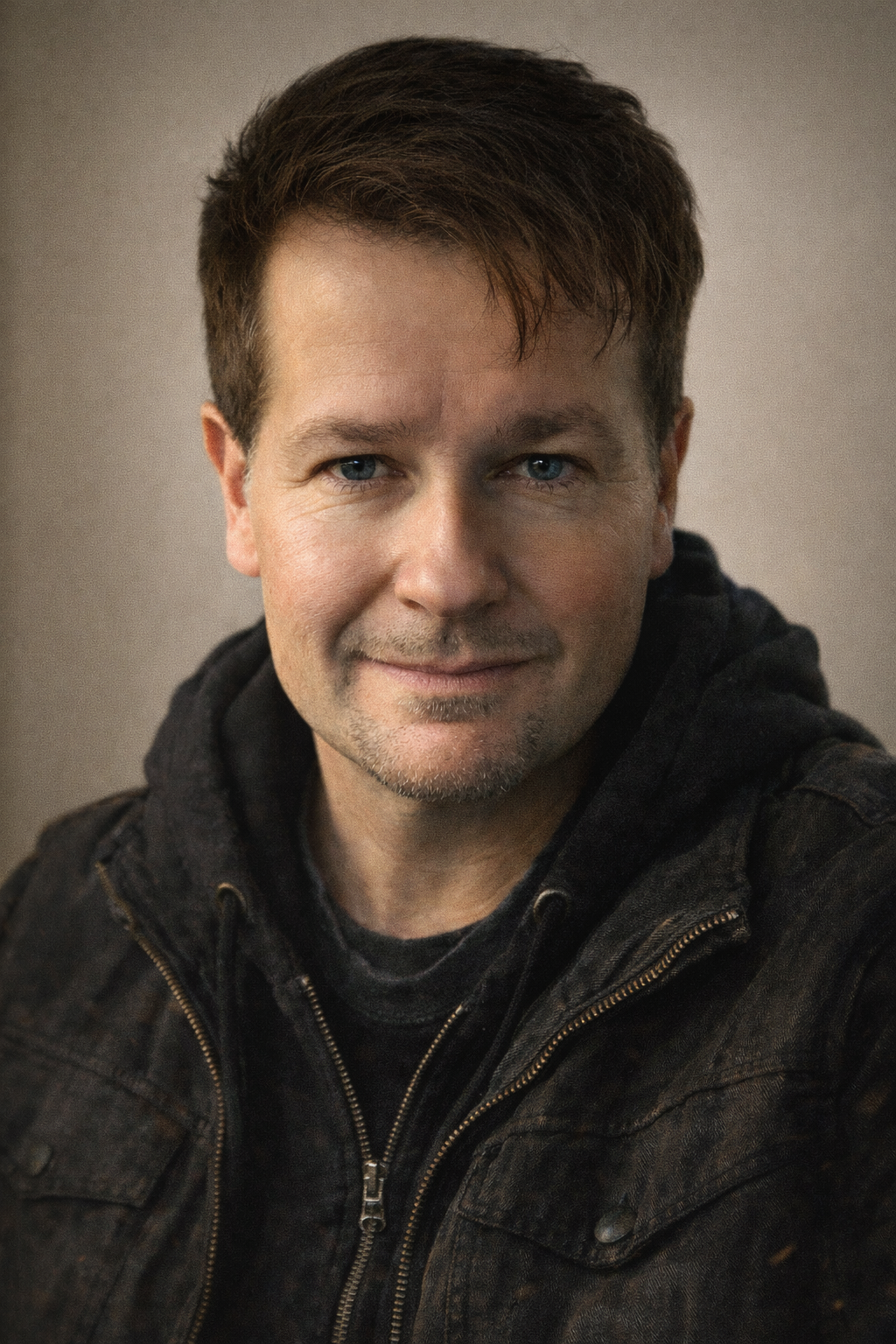
Kevin Doherty is the founder of Modern Practice Method and the author of Build Your Dream Practice, The Instant Upgrade, and The Purpose Principle. A licensed acupuncturist with over 20 years of clinical and marketing experience in the holistic health space, Kevin helps independent practitioners build visible, sustainable, cash-based practices. His work sits at the intersection of positioning strategy, content systems, and the emerging world of AI-driven search.